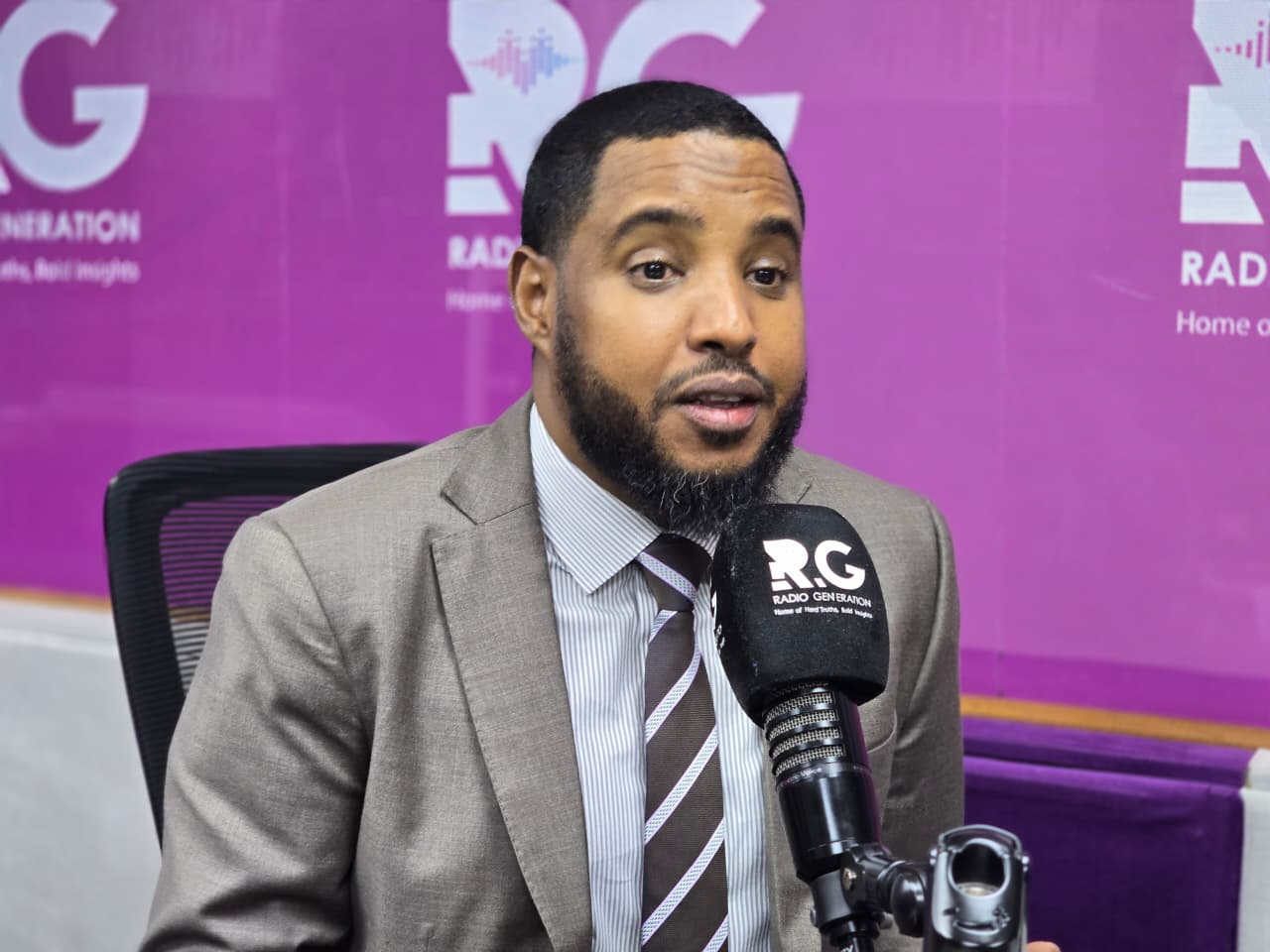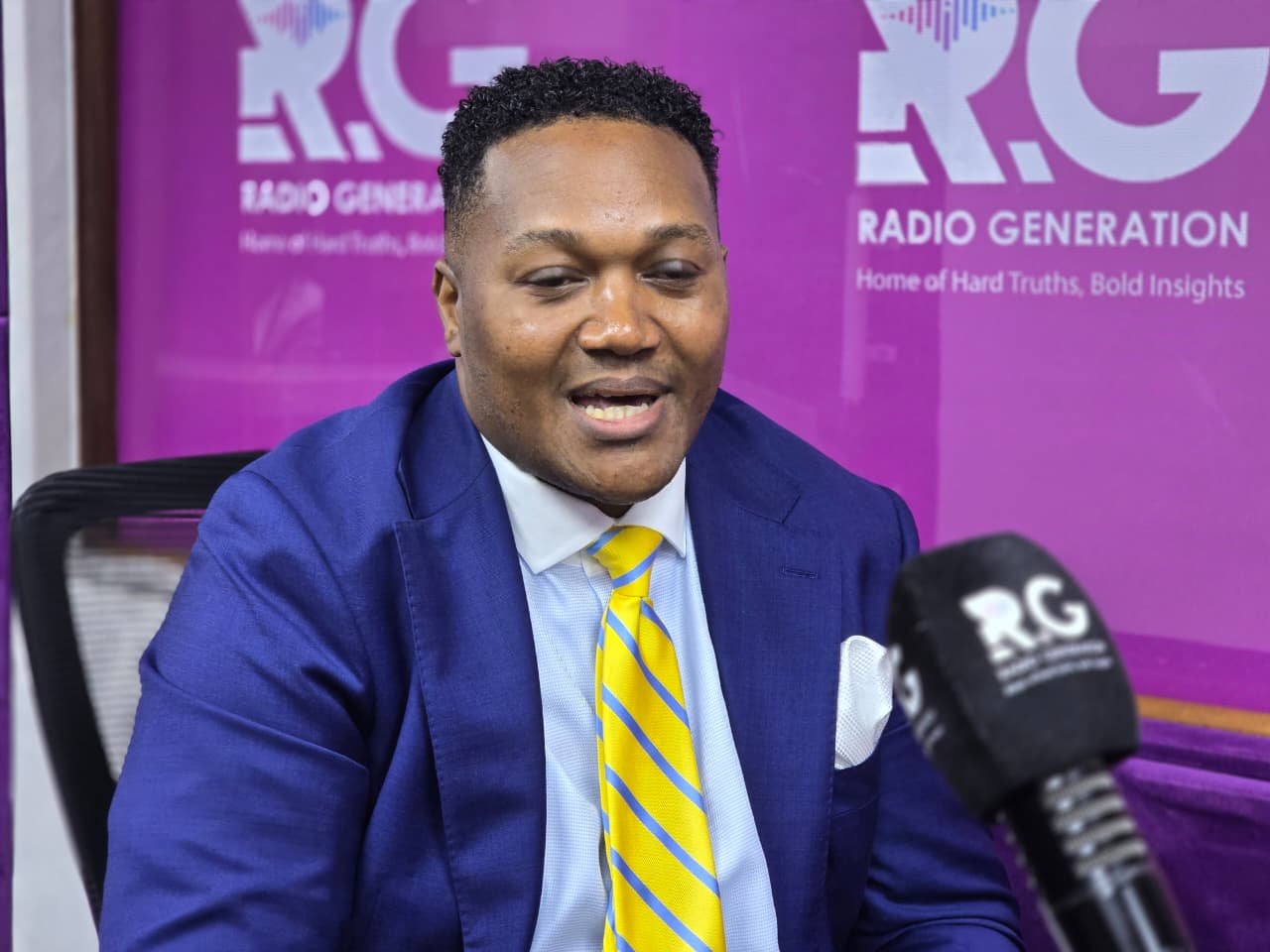
Economist Bonnie Mwangi has cast doubt on the effectiveness of Kenya’s devolved system, pointing to rising public debt, heavy government spending and weak development outcomes despite years of funding to counties.
Speaking during a Radio Generation interview on Tuesday, Mwangi said devolution remains viable in principle but has been implemented in a way that is economically unsustainable.
He noted that Kenya’s public debt has ballooned from about Sh2 trillion in 2014, when devolution was rolled out, to over Sh12 trillion today, while the country has failed to record a balanced budget for more than a decade.
“We have a very big government, and we never stopped to ask what it would cost to sustain it,” he said.
Mwangi questioned the impact of the estimated Sh3.6 trillion allocated to counties over the past 11 years, arguing that there is little evidence of meaningful improvements in living standards.
He cited persistently high poverty levels in counties such as Turkana, where rates remain above 80 percent despite significant allocations.
“When you look at the data, there’s little to show that we are making progress,” he said.
In the 2024/2025 financial year, counties received about Sh387 billion as their equitable share of nationally raised revenue.
Nairobi County received the largest allocation at Sh20.18 billion, followed by Nakuru County (Sh13.67 billion) and Turkana County (Sh13.23 billion), largely due to population size, poverty levels and land area.
At the lower end, Lamu County received about Sh3.4 billion, Tharaka-Nithi County Sh4.6 billion, and Elgeyo-Marakwet County roughly Sh4.8–5.0 billion.
Mwangi said the disparities reflect the revenue-sharing formula, but also raise concerns about equity and impact.
He questioned what citizens should be seeing from these allocations, citing gaps in infrastructure, healthcare, water and other essential services.
On the broader fiscal picture, Mwangi warned that Kenya continues to run large budget deficits, noting that last year’s expenditure stood at Sh3.8 trillion against revenues of Sh2.5 trillion, leaving about 40 percent of spending financed through borrowing.
Debt servicing, he said, now consumes the largest share of government expenditure.
“For every shilling we spent on healthcare, we spent 12 on debt service. For every shilling on education, we spent three on debt,” he said, describing it as a major opportunity cost.
He also criticised what he termed the high cost of governance, saying public officials’ salaries are disproportionately high compared to ordinary citizens.
According to Mwangi, some governors earn more than 60 times the average income, a gap he argued is unsustainable.
“This system is not designed to serve citizens,” he said.
He further faulted county spending patterns, noting that in some cases more than half of county budgets go to salaries, crowding out development spending.
“When you spend 60 percent on yourself, there is little left for services,” he said.
Mwangi also flagged excessive travel by county officials, describing it as wasteful and offering little value to citizens.
He added that counties remain heavily reliant on national transfers, generating only about 5.9 percent of their own revenue on average.
“There’s no money to begin with. Every shilling should be treated as if it’s the last,” he said.
Despite the criticism, Mwangi did not call for the scrapping of devolution, instead urging structural reforms to improve efficiency, accountability and service delivery.
“The only way to judge government is whether it is serving people,” he said.